Request Appointment Online
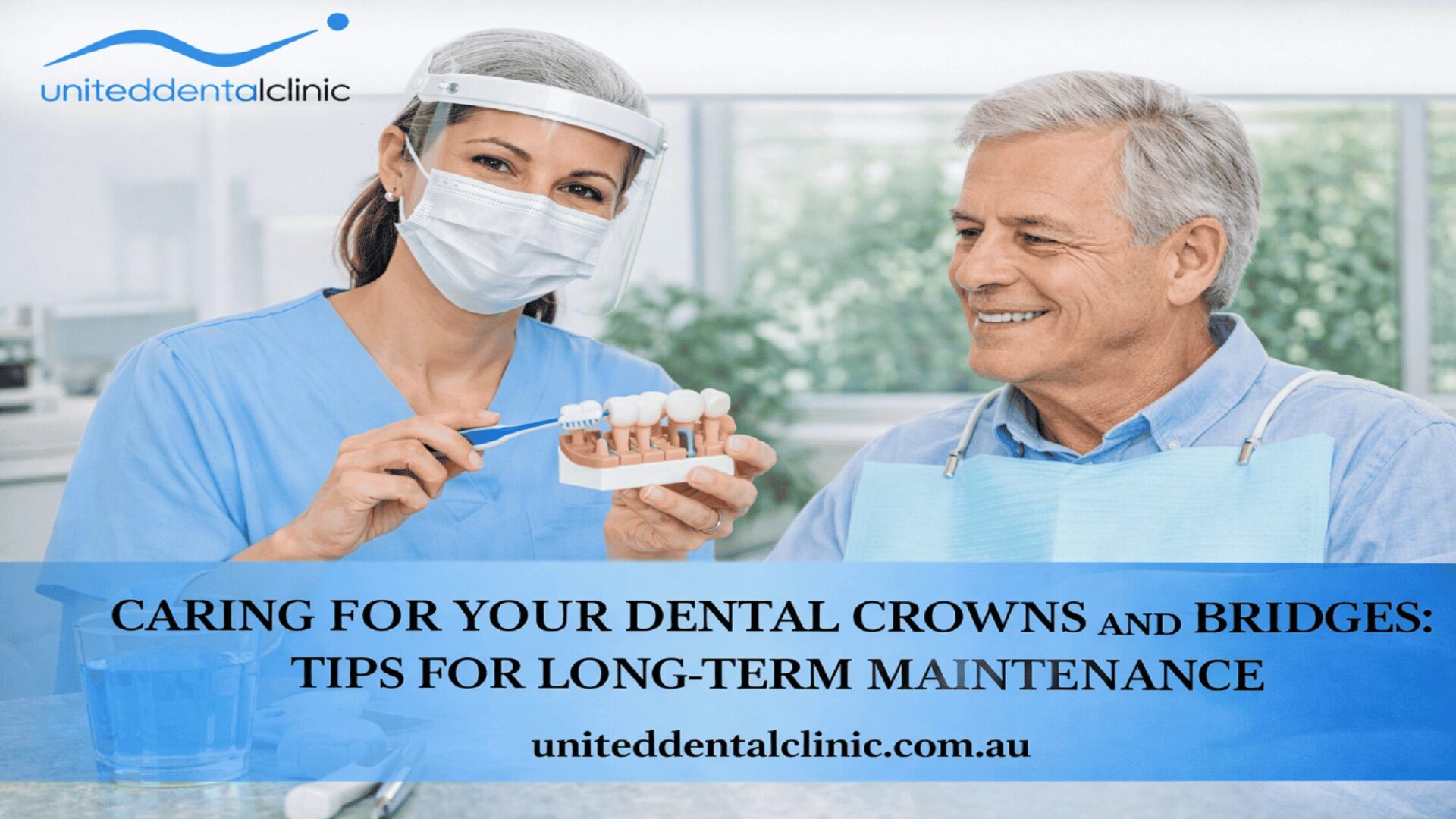
Dental crowns and bridges are common restorative treatments that repair damaged teeth and replace missing ones. These dental restorations improve both the function and appearance of your smile, allowing you to chew comfortably and speak clearly.
Crowns and bridges are designed to last many years, but proper care is essential for maintaining their strength and appearance. With the right habits and regular dental visits, patients can keep their restorations healthy for a long time.
A Dental implant specialist Warriewood can assess your restorations and ensure they continue to support your oral health. Professional monitoring is important for identifying small issues before they become larger problems.
What Are Dental Crowns?
A dental crown is a custom-made cap placed over a damaged or weakened tooth. The crown restores the tooth’s shape, strength, and appearance while protecting it from further damage.
Dentists often recommend crowns after treatments such as root canal therapy or when a tooth has a large filling that weakens its structure.
Crowns can also be attached to dental implants to replace missing teeth. In modern restorative dentistry, crowns are carefully designed to match the colour and shape of surrounding teeth, so they blend naturally with your smile.
Patients who are undergoing orthodontic care, including Invisalign treatment Warriewood, may later receive restorative solutions such as crowns to protect teeth that were previously damaged.
What Is a Dental Bridge?
A dental bridge replaces one or more missing teeth. It consists of artificial teeth supported by crowns placed on the neighbouring natural teeth.
The artificial tooth fills the gap created by a missing tooth. This restoration helps maintain proper bite alignment and prevents surrounding teeth from shifting.
In some cases, dentists may recommend implant-supported bridges when neighbouring teeth are not strong enough to support the restoration. A Dental implant specialist Warriewood, can determine whether implants are the best option for stabilising a dental bridge.
Signs Your Crown or Bridge May Need Attention
Although crowns and bridges are durable, they may develop issues over time. Being aware of early warning signs helps patients address concerns quickly.
Some common dental crown problems signs include:
- Pain when biting or chewing
- Visible cracks or chips in the crown
- Persistent bad taste around the restoration
- Gum irritation around the crown
Patients may also experience crown and bridge sensitivity, particularly when consuming hot or cold foods. This sensitivity may indicate wear or minor gaps around the restoration.
If you notice bridge loosening signs, such as movement while chewing, it is important to schedule a dental visit promptly.
Ignoring these symptoms may lead to more serious dental bridge complications that require additional treatment.
Daily Care Tips for Dental Crowns
Maintaining crowns is similar to caring for natural teeth. A consistent oral hygiene routine is the best way to protect your restorations.
Follow these helpful habits:
- Brush your teeth at least twice each day using fluoride toothpaste.
- Floss carefully around the crown to remove plaque buildup.
- Avoid biting directly into extremely hard foods.
- Visit your dentist for regular examinations and professional cleans.
These simple habits can prevent plaque accumulation and reduce the risk of crown and bridge sensitivity.
Patients who maintain regular dental visits are also less likely to develop serious dental crown problems signs.
Proper Cleaning Techniques for Dental Bridges
Dental bridges require a little extra attention during cleaning. Food particles can accumulate beneath the artificial tooth if not removed properly.
Dentists often recommend special cleaning tools to help keep the area clean.
Helpful cleaning tools include:
- Floss threaders
- Interdental brushes
- Water flossers
These tools help remove plaque and food debris from hard-to-reach areas.
Failing to clean beneath the bridge may eventually lead to gum inflammation or dental bridge complications.
Regular dental visits ensure that any early bridge loosening signs are detected before the restoration becomes unstable.
Protecting Your Restorations During Daily Activities
Certain habits can increase the risk of damage to crowns and bridges.
To protect your restorations, dentists recommend:
- Avoid using your teeth to open packaging or bottles
- Wearing a mouthguard during sports activities
- Using a nightguard if you grind your teeth while sleeping
- Limiting extremely sticky or hard foods
These precautions help prevent fractures and reduce the likelihood of crown and bridge sensitivity developing over time.
Patients who receive orthodontic care, such as Invisalign treatment Warriewood, may also be advised to maintain careful oral habits to protect their dental restorations.
The Importance of Gum Health
Healthy gums are essential for supporting crowns and bridges. Gum disease can weaken the foundation of your restoration and may lead to tooth loss.
Inflamed gums may increase the risk of dental bridge complications, particularly when plaque accumulates around the restoration.
Maintaining good oral hygiene and scheduling professional cleanings can significantly reduce these risks.
A Dental implant specialist Warriewood can also evaluate whether existing restorations are placing stress on surrounding teeth or gums.
When to Contact Your Dentist?
Patients should contact their dentist if they experience symptoms that suggest a problem with their restoration.
Seek professional advice if you notice:
- Sudden crown and bridge sensitivity
- Visible damage to a crown
- Persistent discomfort around a bridge
- Unusual movement that may indicate bridge loosening signs
Early treatment can prevent more complex dental bridge complications and help extend the life of your restorations.
Wrapping Up
Dental crowns and bridges require consistent oral hygiene and regular dental check-ups to remain in good condition. Patients should brush twice daily, floss carefully around the restoration, and avoid biting hard objects. These habits help prevent plaque buildup and reduce the risk of crown and bridge sensitivity.
FAQs
Q. How long do dental crowns and bridges last?
A. Dental crowns and bridges can last 10–15 years or longer with proper care. Regular dental visits help identify early dental crown problems signs before the restoration becomes damaged.
Q. What are the signs of a loose dental bridge?
A. Movement while chewing, discomfort when biting, or visible gaps near the bridge may indicate bridge loosening signs. A dentist should evaluate the restoration as soon as possible
Q. Why do crowns and bridges become sensitive?
A. Sensitivity may occur due to gum irritation, small gaps near the restoration, or wear over time. Some patients experience crown and bridge sensitivity when consuming hot or cold foods.
Q. Can dental bridges cause complications?
A. Although bridges are effective restorations, poor oral hygiene or untreated gum disease may lead to dental bridge complications. Regular cleaning and dental visits significantly reduce this risk.
Q. Do orthodontic treatments affect crowns and bridges?
A. Orthodontic treatments can improve alignment and bite function before restorative work is completed. Patients considering Invisalign treatment Warriewood should discuss their existing restorations with their dentist to ensure proper planning.