 Request Appointment Online

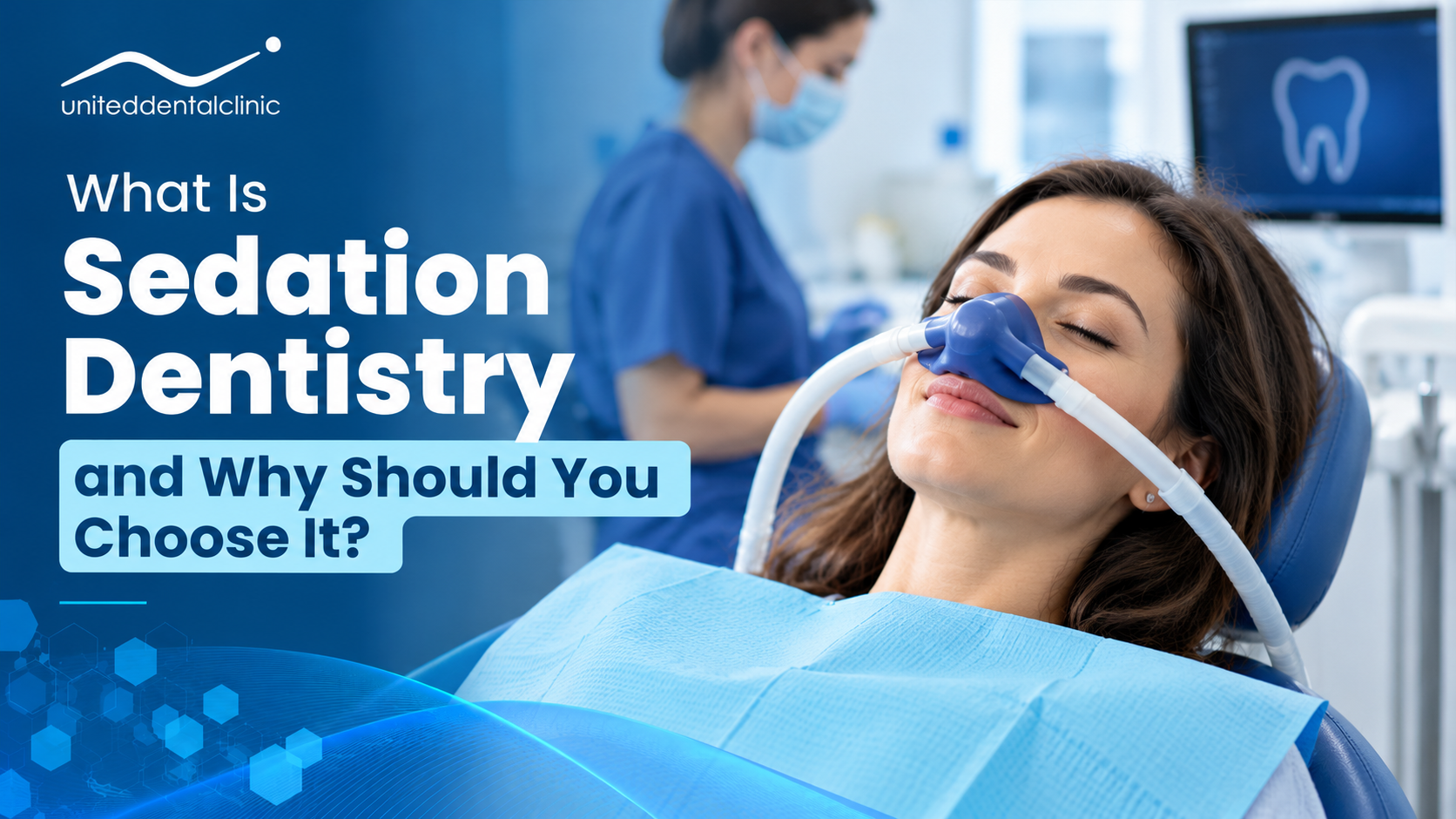
Sedation dentistry uses medication to relax your central nervous system. That way, it helps you stay calm and comfortable during dental treatment. It allows anxious patients and those undergoing longer or more involved procedures to get the care they need without stress.
You remain safe and monitored throughout, and many patients remember little of the treatment afterwards. If dental anxiety has held you back, a family dentist in Narrabeen can explain whether sedation is right for you.
This guide covers what sedation dentistry is and whether it is safe.
What Is Sedation Dentistry?
Sedation dentistry uses medication to relax you during a dental procedure. It does not replace local anaesthetic, which numbs the area, but works alongside it to ease anxiety.
The level of relaxation depends on the type of sedation used. With lighter sedation, you stay awake and can respond to the dentist. With deeper sedation, you may remember almost nothing of the treatment. In every case, the goal is the same. Sedation dentistry makes treatment comfortable for patients who would otherwise find it difficult.
What Types of Sedation Are Available?
United Dental Clinic offers two main types of sedation. Your dentist will discuss both and help you choose the right one for your needs.
Oral sedation
In this, a pill is taken before your treatment. It relaxes you while keeping you responsive to the dentist’s directions. Many patients do not remember much of their treatment afterwards.
IV sedation
IV sedation is delivered into a vein and is stronger than oral sedation. With IV sedation dentistry, it would be unusual to remember any of the procedure. The dentist administers it carefully and monitors you closely throughout.
Both options share one important requirement. You cannot drive or operate machinery afterwards, so you will need someone to take you home.
Who Is a Suitable Candidate for Sedation Dentistry?
Many patients are suitable for sedation, but your dentist confirms it first. Safety always comes before treatment.
Before any sedation, they take a full health history, including your current medications. This confirms that sedation is a safe choice for you. They also answer any questions you have about how it works. If sedation suits you, your dentist explains what to expect and gives clear instructions for before and after your appointment.
A dentist for anxious patients uses this careful process to make sure every patient is both comfortable and safe.
Why Do Patients Choose Sedation Dentistry?
People choose sedation for several reasons. It solves problems that can otherwise make dental care difficult or stressful.
Here are the five most common reasons:
- Dental fear or phobia
Sedation lets even very anxious patients get the treatment they need, calmly.
- A strong gag reflex
It allows the dentist to work without triggering coughing or a choking feeling.
- Multiple treatments in one visit
Sedation makes a longer appointment pass quickly and comfortably.
- Invasive procedures
It keeps treatments like extractions or implants relaxed and straightforward.
- Low pain tolerance
For patients nervous about pain, sedation removes much of the worry.
The benefits of sedation dentistry reach beyond comfort alone. By removing anxiety, it helps patients get the care they have been avoiding, which protects their long-term oral health.
Which Treatments Commonly Use Sedation?
Sedation suits a range of procedures, especially longer or more complex ones. It is not limited to major surgery.
Patients often choose sedation for:
- Dental implant placement
- Tooth extractions
- Other dental surgeries
- Long appointments combining several treatments
Your dentist will suggest sedation where it genuinely helps. For a simple check-up, it is rarely needed. For involved work, it can make the experience far easier.
Is Sedation Dentistry Safe?
Yes, sedation dentistry is safe when carried out by a trained dental team.
First, your dentist reviews your health history and medications to confirm sedation suits you. Second, the team monitors you closely throughout the procedure, especially during IV sedation. These steps make sedation a reliable and well-established option.
You will also receive clear instructions for the day. For example, you will have to rest for the remainder of the day, not drive, and avoid machinery or important decisions until the sedation has fully worn off.
What Should You Expect on the Day?
Knowing what happens helps you feel prepared. The process is straightforward from start to finish.
Before treatment, your dentist confirms your sedation plan and gives final instructions. During treatment, the area is numbed as usual, and the sedation keeps you relaxed. The team monitors you the whole time. Afterwards, you will feel drowsy, so arrange for someone to take you home and plan to rest.
Most patients are surprised by how calm and quick the experience feels. For many, it removes a fear they have carried for years.
How Do You Get Started?
Getting started is simple. A conversation with your dentist is the first step.
At your consultation, you can ask any questions and share your concerns. Your dentist will:
- Assess your suitability
- Explain the options
- Recommend the best approach
Clinics offering sedation dentistry in Warriewood will always talk you through the process before anything begins, so you feel fully informed. From there, your treatment is planned around your comfort, with sedation ready if you need it.
Comfortable Dental Care Is Within Reach!
Sedation dentistry removes the fear and discomfort that stop many people from visiting the dentist. With oral and IV options, a careful safety process, and a calm experience, it makes dental care accessible for anxious patients and complex treatments alike.
If dental anxiety or an upcoming procedure is worrying you, help is close by. Book a consultation with a family dentist in Narrabeen at United Dental Clinic, and ask how sedation can make your next visit comfortable.
Frequently Asked Questions
Will I feel any pain during sedation dentistry?
No. The area is numbed with local anaesthetic, and the sedation keeps you relaxed. Most patients feel no pain and remember little of the treatment.
Can I drive home after sedation?
No. It is not safe to drive or operate machinery on the day of sedation. Arrange for someone to take you home and plan to rest.
Will I be unconscious during treatment?
Not with oral sedation, where you stay responsive. IV sedation is deeper, so you may remember nothing, but you are monitored closely throughout.
Can I return to work afterwards?
No. Your dentist recommends resting for the rest of the day, as the sedation takes time to wear off fully.
Is sedation suitable for children?
Suitability depends on the individual and the treatment. Your dentist will assess each patient carefully and recommend the safest approach.